

The first step in purchasing your portable cabin is to schedule a Site Inspection to see if, how, where, and what it will take to put your dream building on your property. The Site Inspection has not been discussed here yet, and watching General Shelters’ delivery team place a beautiful custom Cedar View III offers insight into the process.
This post is to review elements assessed during the Site Inspection: access, soil, slope, trees, and ground level.
Watch this video first. It is only six minutes or so long and highlights key moments in the delivery process. A few miles out of historic LaGrange in beautiful Fayette County, there were no deed restrictions or municipal barriers.
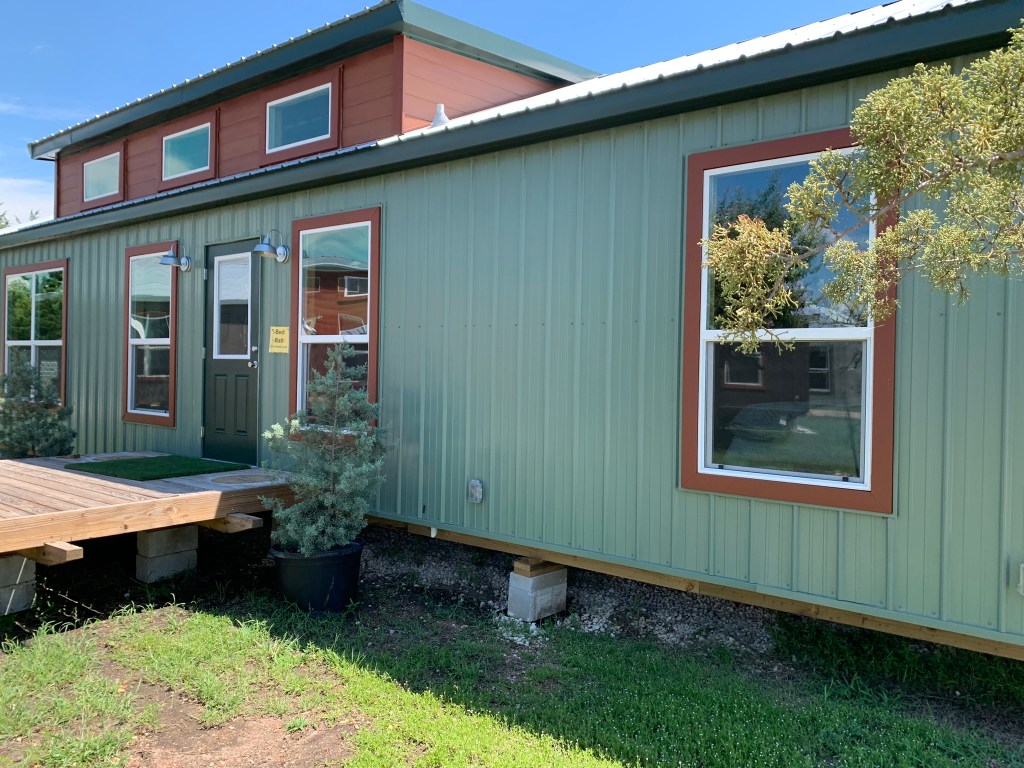
The buildings are not on a chassis with wheels, but are brought in on a trailer, with the frame resting on four interlaced skids made of pressure-treated 2x4s. The tractor trailer moves into final placement and then pulls away as the building is carefully lowered into place with the skids resting on concrete blocks.
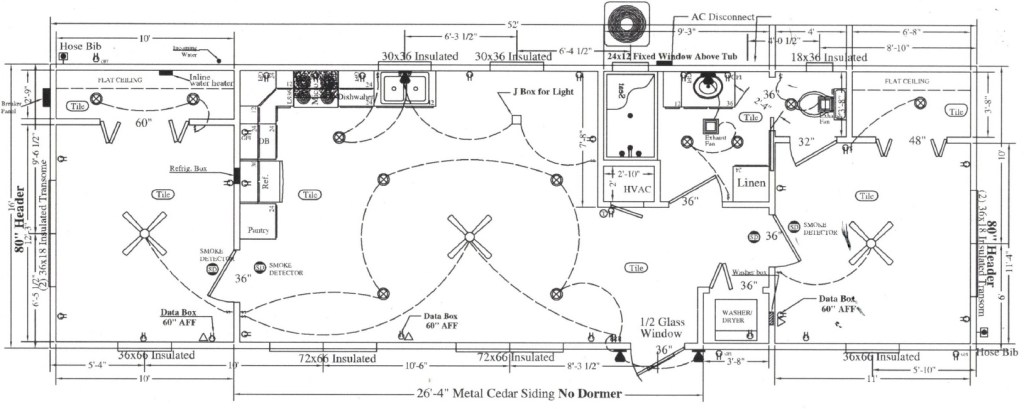
The video starts as the truck has already begun its turn onto site. Eave to eave, the Cedar View III measures eighteen feet wide and sixty six feet long. The length of the loaded trailer and semi-tractor is 100ft, so it needs a certain turning radius. There was no ditch to speak of, so 24 feet of tee posts were easily removed and the rig entered the property. Sometimes this is not possible and posts cemented in or welded together will need to be removed.
To be clear, the customer is responsible for performing whatever tasks are needed for a smooth delivery. Once the customer acknowledges that all items have been addressed the delivery is scheduled.
The next consideration is determining the type of soil on site. Sandy, clay, rocky being the range. Central Texas is always in need of rain, and most of the time we pray for any amount. The week or so before a cabin delivery, however, everyone involved is hoping for dry weather. Even a little wetness can create a veneer of slippery mud, and a substantial rainfall can take several weeks to dry out enough to make the delivery possible. We were fortunate and the dry spell held.
Ancillary to the soil type is the presence of slopes, ditches or other physical features between the entry point and desired location. Pulling the cabin up a slope can be confounded by soil conditions (scree on rock, heavy clay, unprepared route, wetness of ground.) If Bulldozers and similar heavy equipment are required, they are not covered under standard delivery costs.
The third consideration are tree limbs that are less than seventeen feet from the ground, or trees that are less than 24 feet apart along the delivery path. The highest point of the cabin is thirteen feet, but the trailer adds a few feet to that clearance need. Any limbs seventeen feet or so along the delivery route need to be trimmed. This includes all trees along the county road leading to the property and those along the route from the entrance to final placement.
The clearance width also includes structures, fences, etc that also need to be 24 feet apart along the way.
The final aspect of suitability is how level the ground is. The weight of the cabin distributes itself across the block piers. These are spaced eight feet or so apart along each of the skids. Generally final placement does not need a pad or ‘dirt work.’ From end to end, a six inch variance in height is preferred. Resting the building on a stack of very tall blocks affects stability, even with hurricane straps.
The weight of the cabin distributes itself across the block piers. These are spaced eight feet or so apart along each of the skids.
In the video the contractors who did the dirt work had it leveled expertly. The native soil was excavated and three feet of crushed gravel was added. As mentioned, this allowed some give for the tires, relieving tons of pressure.
Our initial site inspection found a great location toward the back of the property. The customer really wanted it just further down slope, though. To assure successful deliveries, General Shelters evaluates the properties, as well, especially if there is a question about the delivery. In this instance they surveyed the area and came up with their game plan.
Nothing about this should have worked with standard delivery procedures. As you can see, expert use of available equipment made the magic happen. Key to the success was the presence of an access trail on one end of the pad. This allowed enough room for the rig’s winch to pull the trailer out from under the cabin.
This is all to say experience matters. There are/were several points in the process when “do-overs” are not possible without enormous resources to correct. The General Shelters delivery crew are dedicated technicians who know what right looks like and how to make things work.
If you have questions about portable buildings, and want more information about them, please call us at Trees of Central Texas (979-836-7225), or email us at cabins @ treesofcentraltexas .com.








 Texas Big Little Cabins